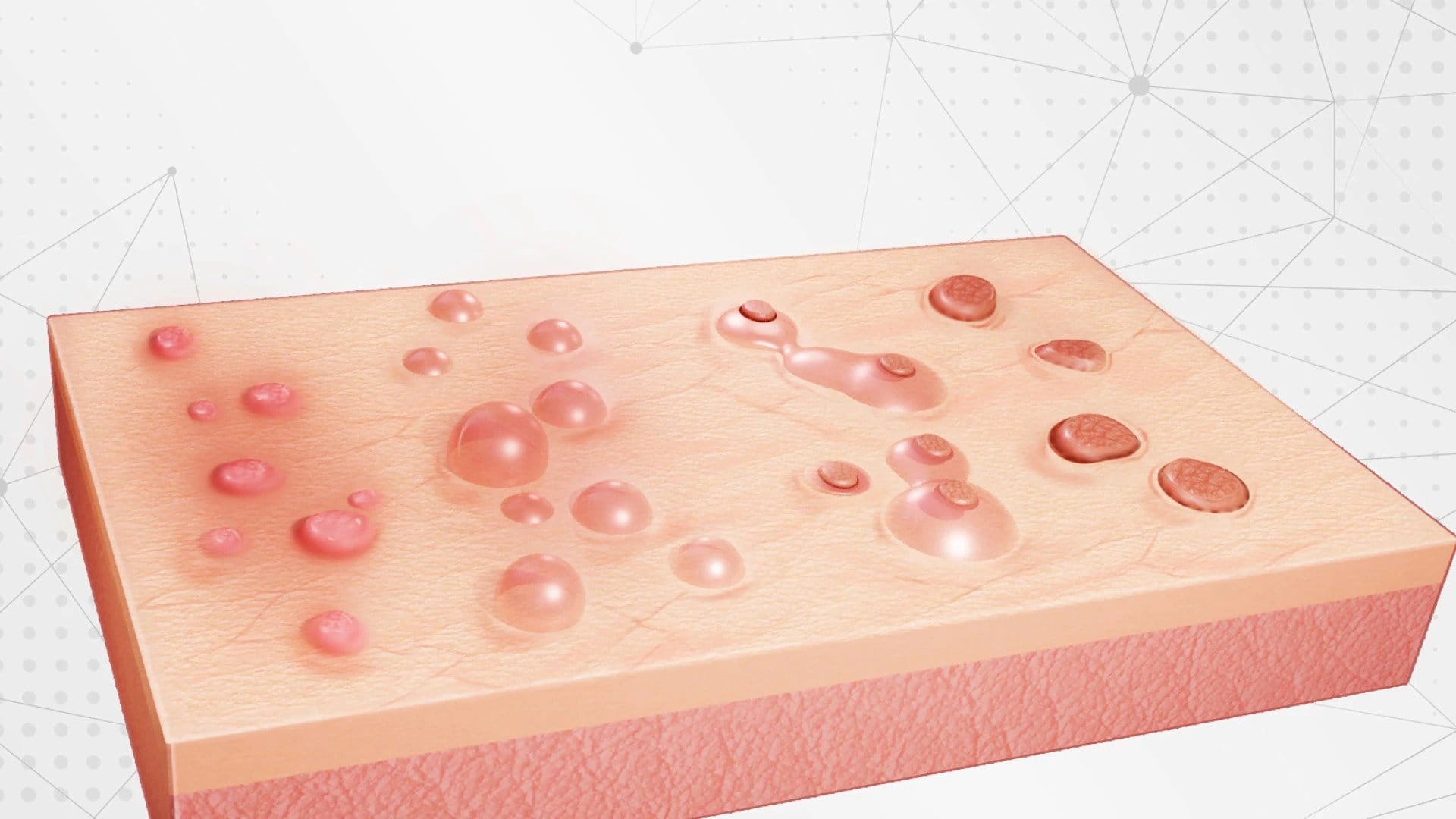
Treatment of Genital Herpes in Hong Kong: A Practical Management Guide
Genital herpes is a common and manageable viral infection. In Hong Kong, understanding the effective treatment options available is crucial for the hundreds of thousands of residents living with the virus. While there is no cure that can eradicate the herpes simplex virus (HSV) from the body, modern medical treatments are highly effective at controlling symptoms, preventing outbreaks, and protecting partners. This guide provides a comprehensive overview of genital herpes treatment, tailored with the latest medical guidelines and local Hong Kong context in mind.
Understanding Treatment Goals: Management, Not Cure
Before exploring specific medications, it's important to understand what treatment can and cannot do. The primary goals of genital herpes therapy are to:
- Alleviate the pain and discomfort of an initial or recurring outbreak.
- Speed up the healing process of sores and lesions.
- Reduce the frequency and severity of future recurrent outbreaks.
- Lower the risk of transmitting the virus to a sexual partner.
- Improve overall quality of life by providing a sense of control over the condition.
Effective management turns genital herpes from a distressing condition into a controllable health aspect.
The Main Treatment Approaches: A Comparison
Treatment for genital herpes is not one-size-fits-all. Doctors typically recommend one of three strategies based on the frequency of your outbreaks and personal circumstances. The following table outlines the core approaches.
| Treatment Approach | What It Is | Recommended For | Common Medications & Dosing |
|---|---|---|---|
| Episodic Therapy | Taking antiviral medication only at the first sign of an outbreak to shorten its duration and severity. | Individuals with infrequent, mild, or predictable recurrences. | Acyclovir, Valacyclovir, or Famciclovir for 3-5 days at the start of symptoms. |
| Suppressive (Daily) Therapy | Taking a lower dose of antiviral medication every day to prevent outbreaks from occurring. | Individuals with frequent recurrences (e.g., 6+ per year), those in serodiscordant relationships to reduce transmission risk, or for significant emotional distress. | Daily Valacyclovir, Acyclovir, or Famciclovir. |
| Treatment for First Episode | A stronger, short course of antivirals to tackle the often severe initial infection. | All patients experiencing their first clinical episode of genital herpes, which is typically the most severe. | A longer 7-10 day course of Acyclovir, Valacyclovir, or Famciclovir. |
The Antiviral Medications: Acyclovir, Valacyclovir, and Famciclovir
Three primary antiviral drugs form the cornerstone of genital herpes treatment. They work by inhibiting the virus's ability to replicate.
- Acyclovir: The longstanding, proven treatment available in oral, intravenous (for severe cases), and topical forms. Topical cream is considered minimally effective for genital herpes and is generally discouraged.
- Valacyclovir: A "prodrug" that converts into acyclovir in the body. Its key advantage is much better absorption, allowing for less frequent dosing (e.g., once or twice daily instead of 3-5 times). It is the only antiviral approved for a once-daily suppressive regimen and has been shown to reduce the risk of transmission to partners.
- Famciclovir: Another prodrug with high bioavailability, similar to valacyclovir, offering convenient dosing.
Special Considerations for Hong Kong Patients
Several local factors are important when considering treatment in Hong Kong:
- High HSV-1 Prevalence: A significant portion of the Hong Kong population carries HSV-1, the virus traditionally causing oral cold sores. This virus is an increasingly common cause of genital herpes via oral-genital contact. Genital HSV-1 infections typically have far fewer recurrences than HSV-2, which may influence the choice between episodic and suppressive therapy.
- Pregnancy: Managing herpes during pregnancy is critical to protect the newborn. Pregnant individuals with a history of genital herpes should discuss this with their obstetrician. Suppressive antiviral therapy is often recommended from about 36 weeks of pregnancy until delivery to prevent an outbreak at term and reduce the need for a Caesarean section.
- HIV Co-infection: HSV-2 infection can increase the risk of acquiring HIV. For individuals living with both HIV and HSV, outbreaks may be more frequent or severe. Effective antiretroviral therapy (ART) for HIV helps, and standard antiviral treatments for herpes are used, sometimes at higher doses.
- Access to Care: Hong Kong residents can seek diagnosis and treatment through private doctors or the Department of Health's Social Hygiene Clinics, which offer confidential services.
Beyond Medication: Holistic Management
While medication is central, a complete management plan includes:
- Accurate Diagnosis: A proper diagnosis via PCR test from a sore or type-specific blood test is essential, as it informs prognosis and counseling.
- Open Communication & Counseling: Discussing the diagnosis with a healthcare provider and sexual partners is a key part of management. Counseling should cover the natural history of the infection, transmission risks, and prevention strategies.
- Healthy Lifestyle: Managing stress, maintaining a healthy immune system through diet and sleep, and avoiding known personal outbreak triggers can help manage recurrences.
Conclusion: Living Fully with Effective Management
A diagnosis of genital herpes can feel overwhelming, but it is a highly manageable condition. With accurate diagnosis and a tailored treatment plan—whether episodic or suppressive—individuals can effectively control symptoms, dramatically reduce or eliminate outbreaks, and significantly lower the risk to partners. By consulting with a healthcare professional in Hong Kong to choose the right strategy, you can take confident control of your sexual health and well-being.
11/F, 168 Queen’s Road Central, Central
(7 min from Central MTR Exit D2 /
2 min from Sheung Wan MTR Exit E2)
Hourly Parking Nearby : The Center, Grand Millennium Plaza
+852 3708 1878
+852 9221 2346 (Text Only)
[email protected]
Mon-Fri : 9:45a.m. – 1:45p.m. ;
3:00p.m. – 6:10p.m.
Sat : 9:45a.m. – 1:15p.m.
Sun and Public Holiday: Close
By Appointment Only