Treatment of Candidiasis in Hong Kong: A Comprehensive Guide to Getting Better
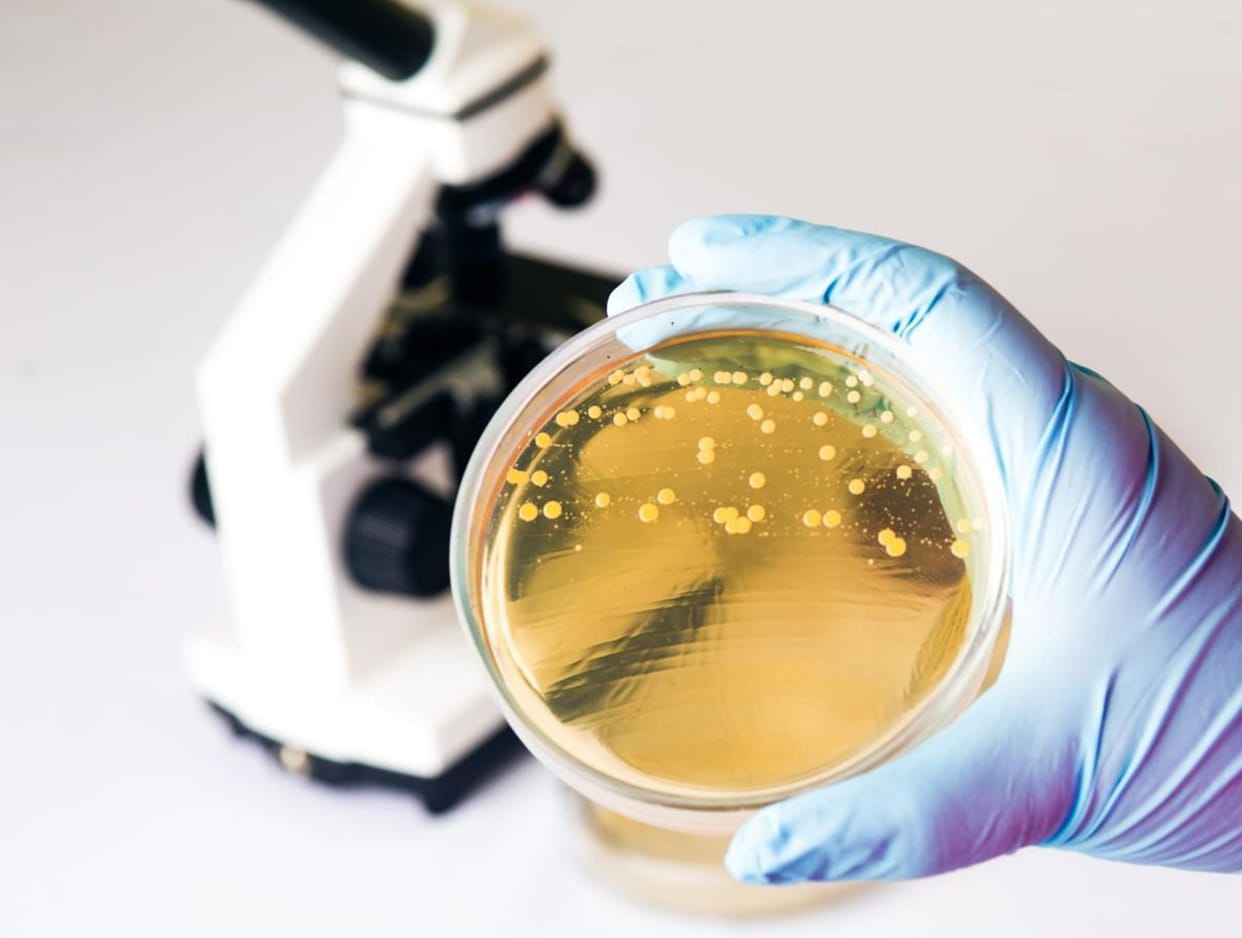
Candidiasis, commonly known as a yeast infection, is a widespread fungal issue that can affect various parts of the body. In Hong Kong's humid climate, which can sometimes promote fungal growth, knowing how to effectively treat these infections is crucial for quick relief and preventing recurrence. Successful treatment depends on accurately identifying the type and location of the infection, as a one-size-fits-all approach does not work.
Understanding Candidiasis: Why Targeted Treatment is Key
Candidiasis is caused by an overgrowth of Candida yeasts, most often Candida albicans. These fungi naturally exist in our bodies but can cause problems when the balance is disrupted. Treatments aim to eliminate overgrowth, relieve symptoms, and address the underlying cause (like diabetes or antibiotic use) to prevent it from coming back.
Standard Treatments for Common Candidiasis Infections
Treatment varies significantly based on the infection site and its severity. The primary weapon against candidiasis is antifungal medication, available in topical, oral, and intravenous forms.
1. Vulvovaginal Candidiasis (Vaginal Yeast Infection)
This is one of the most common forms. For uncomplicated cases, short-course treatments are highly effective.
- Topical Antifungals: These are available over-the-counter or by prescription as creams, ointments, or vaginal pessaries (inserts). Common agents include clotrimazole, miconazole, and nystatin. Treatment typically lasts 1 to 7 days.
- Oral Antifungals: A single dose of fluconazole (150mg) is a common and effective prescription treatment. For more severe or complicated cases, a second dose 72 hours later or a longer course may be needed.
2. Oral Candidiasis (Thrush)
- First-line treatment is often an antifungal mouthwash or lozenge, such as nystatin suspension or clotrimazole troches, used for 7 to 14 days.
- For more persistent cases or in immunocompromised individuals, oral fluconazole is frequently prescribed.
3. Skin (Cutaneous) Candidiasis
Infections in skin folds (e.g., under breasts, groin) are treated with:
- Topical antifungal powders, creams, or lotions containing agents like ketoconazole, clotrimazole, or terbinafine. Keeping the affected area clean and dry is a critical part of treatment.
4. Invasive Candidiasis
This serious infection, where yeast enters the bloodstream, requires immediate hospital care.
- Intravenous (IV) Antifungals are the mainstay. Echinocandins (e.g., caspofungin, micafungin) are often the first choice. Alternatives include fluconazole or amphotericin B.
- Treatment duration is longer, usually a minimum of 2 weeks after the last positive blood culture and resolution of symptoms.
Treatment Comparison Table
| Type of Candidiasis | First-Line Treatment Options | Typical Duration | Key Considerations for Hong Kong |
|---|---|---|---|
| Vaginal (Uncomplicated) | Topical azoles (cream/pessary) or single oral Fluconazole dose | 1 to 7 days | Many topical treatments available OTC; consult a doctor for first-time diagnosis. |
| Oral (Thrush) | Nystatin mouthwash or Clotrimazole troches | 7 to 14 days | Common in infants and immunocompromised patients; ensure proper oral hygiene. |
| Skin Fold Infection | Topical antifungal creams (e.g., Ketoconazole) | 1 to 2 weeks | Humidity worsens it; keep areas dry, wear breathable clothing. |
| Invasive/Systemic | IV Echinocandins (e.g., Caspofungin) | Minimum 14 days after blood clears | Requires hospitalization; a major concern in critical care settings. |
Special Considerations for Hong Kong Patients
- Drug-Resistance and Recurrent Infections: Recurrent vulvovaginal candidiasis (RVVC), defined as four or more episodes a year, requires a different strategy. A doctor may prescribe a longer maintenance regimen, such as oral fluconazole once a week for 6 months. For infections non-responsive to standard azole drugs, testing for non-albicans Candida species (like C. glabrata) is important, as they may require alternative antifungals.
- The Challenge of Candida auris: This emerging, often multidrug-resistant fungus is a significant global health threat, including in Hong Kong's healthcare facilities. Treating C. auris is complex and requires specialised testing to determine which antifungals it may still be sensitive to, often requiring consultation with infectious disease specialists.
- Lifestyle and Adjunct Measures: Alongside medication, managing underlying conditions like diabetes, avoiding unnecessary antibiotics, and wearing cotton underwear can help prevent recurrence. In Hong Kong's humidity, changing out of wet clothing promptly after exercise or swimming is advisable.
When to See a Doctor in Hong Kong
While mild vaginal yeast infections can be self-treated with OTC products, seek medical attention if:
- This is your first suspected yeast infection (for proper diagnosis).
- Symptoms do not improve with OTC treatment within a few days.
- Infections recur frequently (more than 3-4 times a year).
- You have a weakened immune system, are pregnant, or have severe symptoms.
- You suspect oral thrush or a skin infection.
You can consult a general practitioner, gynaecologist, dermatologist, or visit a Department of Health Social Hygiene Clinic for diagnosis and a prescription tailored to your specific needs.
Conclusion: Effective Treatment is Within Reach
Candidiasis, though uncomfortable, is typically a treatable condition. The cornerstone of success is an accurate diagnosis followed by the appropriate antifungal treatment for the specific type of infection. For Hong Kong residents, being aware of the signs, understanding treatment options, and knowing when to seek professional help—especially for recurrent or severe cases—ensures effective management and a swift return to health.
11/F, 168 Queen’s Road Central, Central
(7 min from Central MTR Exit D2 /
2 min from Sheung Wan MTR Exit E2)
Hourly Parking Nearby : The Center, Grand Millennium Plaza
+852 3708 1878
+852 9221 2346 (Text Only)
[email protected]
Mon-Fri : 9:45a.m. – 1:45p.m. ;
3:00p.m. – 6:10p.m.
Sat : 9:45a.m. – 1:15p.m.
Sun and Public Holiday: Close
By Appointment Only