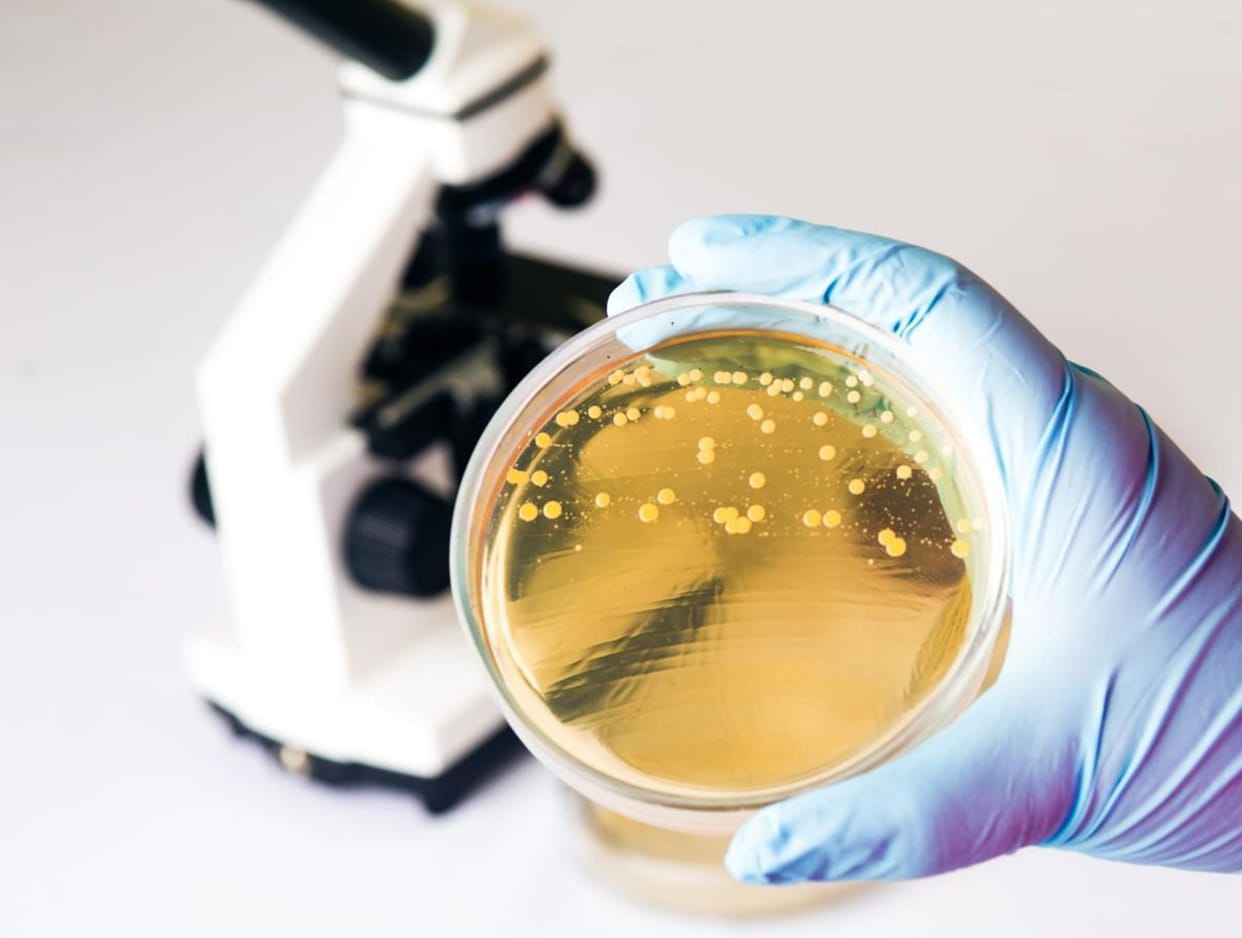
Candidiasis Tests : A Complete Guide to Diagnosis
Wondering if your symptoms point to a yeast infection? In Coastal Area, where the humid climate can sometimes contribute to fungal concerns, knowing when and how to get tested for candidiasis is the first step toward effective treatment and peace of mind. An accurate diagnosis is crucial, as symptoms of vaginal candidiasis can easily be confused with other common conditions like bacterial vaginosis .
Understanding Candidiasis: Why Testing Matters
Candidiasis is an infection caused by Candida yeast, most commonly Candida albicans. Small amounts of this yeast live harmlessly in our bodies, but overgrowth can lead to infection1. It manifests in several forms:
- Vaginal Candidiasis: A very common infection among women of childbearing age1.
- Oral/Oesophageal Candidiasis (Thrush): Affects the mouth and throat.
- Invasive Candidiasis: A serious, systemic infection where Candida enters the bloodstream and can spread to internal organs. This is a major healthcare-associated infection2.
Testing is essential to confirm a diagnosis, identify the specific type of Candida, and rule out other conditions, ensuring you receive the correct treatment.
When to Consider Getting Tested in Hong Kong
You should consult a healthcare provider about testing if you experience persistent symptoms. For vaginal infections, this includes itching, soreness, a thick white discharge, or discomfort during intercourse. For oral thrush, look for white patches in the mouth. Symptoms of invasive candidiasis are more severe but non-specific, often including persistent fever and chills in individuals who are already hospitalized or have severely weakened immune systems.
Hong Kong's healthcare system is advancing rapidly in fungal diagnostics, driven by technological innovation and increased awareness. This means residents have access to both standard and cutting-edge testing methods.
Types of Candidiasis Tests and Procedures
The correct test depends entirely on the type of infection suspected. The following table outlines the common diagnostic approaches:
Vaginal Candidiasis
Traditionally, microscopic examination & pH test is conducted by a swab of discharge is examined under a microscope for yeast cells. A vaginal pH test (pH typically <4.5) helps distinguish it from bacterial vaginosis.
Nowadays, A Candida albicans NAAT test (Nucleic Acid Amplification Test) detects the specific genetic material (RNA/DNA) of C. albicans, offering a fast, highly sensitive way to diagnose yeast infections (vulvovaginal candidiasis) or other infections, often as part of a multi-organism panel for vaginitis (BV, TV, Candida), providing quicker results than traditional cultures and identifying mixed infections better than microscopy.
Candidiasis DNA Panel (For Men & Women) - $2,350
- Candida albicans
- Candida krusei
- Candida glabrata
- Candida lusitaniae
- Candida tropicalis
- Candida dubliniensis
- Candida parapsilosis
Cost of Candida Test
| Item | Price | Window Period | Sample | Turnaround Time |
|---|---|---|---|---|
| Candida albicans DNA Test | $710 | 7 days | Urine, Swab | 8-24 hours |
| Candida (Monilia) spp Culture | $600 | not applicable | Urine, Swab | 1-2 days |
| Essential Urine STI Screening | $2150 | 7 days | Urine, Swab, Oral | 8-24 hours |
Oral / Throat Candidiasis
A swab sample from the affected area may be taken for analysis.
Invasive Candidiasis
| Blood Culture | The historical "gold standard." Blood is drawn and cultured to see if Candida grows. However, sensitivity can be low. |
| Non-Cultural Tests (e.g., β-D-glucan) | Blood tests that detect fungal cell wall components. They are faster and can aid in early diagnosis when used with other clinical information. |
| Imaging & Biopsy | Scans (CT, MRI) or direct tissue samples may be used to detect infection in deep-seated organs. |
Deep Dive: The Challenge of Diagnosing Invasive Candidiasis
Diagnosing invasive candidiasis is particularly challenging. Blood cultures, while standard, can be negative in 29% to 79% of patients who actually have the infection2. This has driven the development and adoption of non-cultural methods like the β-D-glucan assay, which is noted for its high sensitivity in helping to rule out invasive disease.
The Hong Kong market for fungal infection diagnostics is growing, with emerging technologies like next-generation sequencing and automated platforms enhancing early detection and patient outcomes.
The Testing Process in Hong Kong: What to Expect
- Consultation: Visit a general practitioner, gynecologist, or a specialist clinic. The Hong Kong Family Health Service provides information and resources on vaginal candidiasis. Private centers like Urban Medical also offer specific vaginitis diagnostic services.
- Sample Collection: For vaginal or oral infections, this is a quick swab. For suspected invasive infection, a blood draw is required.
- Analysis & Results: The sample is analyzed either in the clinic (microscopy) or sent to a laboratory. Results from a culture can take several days.
- Treatment Plan: Your doctor will interpret the results and prescribe appropriate treatment, such as antifungal creams, pessaries, or oral medication.
Prevention and Next Steps
While testing is crucial for treatment, prevention is also key. For vaginal candidiasis, simple measures can help: wear cotton underwear, avoid douches and scented hygiene products, and maintain good personal hygiene.
If you are diagnosed with a recurrent or invasive infection, follow your doctor's guidance closely. Treatment for invasive candidiasis typically requires hospital-administered antifungal medication.
Conclusion
Whether facing a common vaginal yeast infection or concerned about more serious symptoms, Hong Kong offers a robust and technologically advanced landscape for candidiasis testing. By seeking timely medical advice and accurate diagnosis, you can ensure effective management of the infection. If you have symptoms, do not self-diagnose—consult a healthcare professional to determine the most appropriate test and treatment for your situation.
Ref:
11/F, 168 Queen’s Road Central, Central
(7 min from Central MTR Exit D2 /
2 min from Sheung Wan MTR Exit E2)
Hourly Parking Nearby : The Center, Grand Millennium Plaza
+852 3708 1878
+852 9221 2346 (Text Only)
[email protected]
Mon-Fri : 9:45a.m. – 1:45p.m. ;
3:00p.m. – 6:10p.m.
Sat : 9:45a.m. – 1:15p.m.
Sun and Public Holiday: Close
By Appointment Only