Genital Herpes : Deep Dive into HSV Types, Symptoms, and Management
Genital herpes is a prevalent and often misunderstood sexually transmitted infection (STI) in Hong Kong. Caused by the Herpes Simplex Virus (HSV), it is a chronic condition that, while not curable, can be effectively managed with modern medicine. Understanding the specific types, local prevalence, and available resources is crucial for anyone concerned about sexual health in the city. This guide provides a detailed, location-specific overview of genital herpes, tailored for the Hong Kong community.
Understanding the Two Viruses: HSV-1 and HSV-2
Traditionally, Herpes Simplex Virus Type 1 (HSV-1) was linked to oral "cold sores," while Herpes Simplex Virus Type 2 (HSV-2) was associated with genital herpes. However, this distinction has blurred significantly in Hong Kong and across Asia due to changing sexual practices. Both viruses can infect the genital or oral areas through oral-genital or genital-genital contact.
HSV-1 in Hong Kong: This virus is extremely common in the general population. Seroprevalence studies suggest a large majority of adults in Hong Kong have been exposed to HSV-1. It is now responsible for a growing number of first-time genital herpes infections, often transmitted through oral sex. Genital infections caused by HSV-1 tend to have fewer recurrences than those caused by HSV-2.
HSV-2 in Hong Kong: This remains the primary virus causing recurrent genital herpes. Its prevalence in the Hong Kong population is lower than HSV-1 but is a significant cause of genital infections. HSV-2 is known for more frequent reactivations, leading to recurrent outbreaks.
Recognizing the Symptoms: From First Outbreak to Recurrences
Many individuals with HSV have very mild or no symptoms and may be unaware they carry the virus. When symptoms do appear, they can vary:
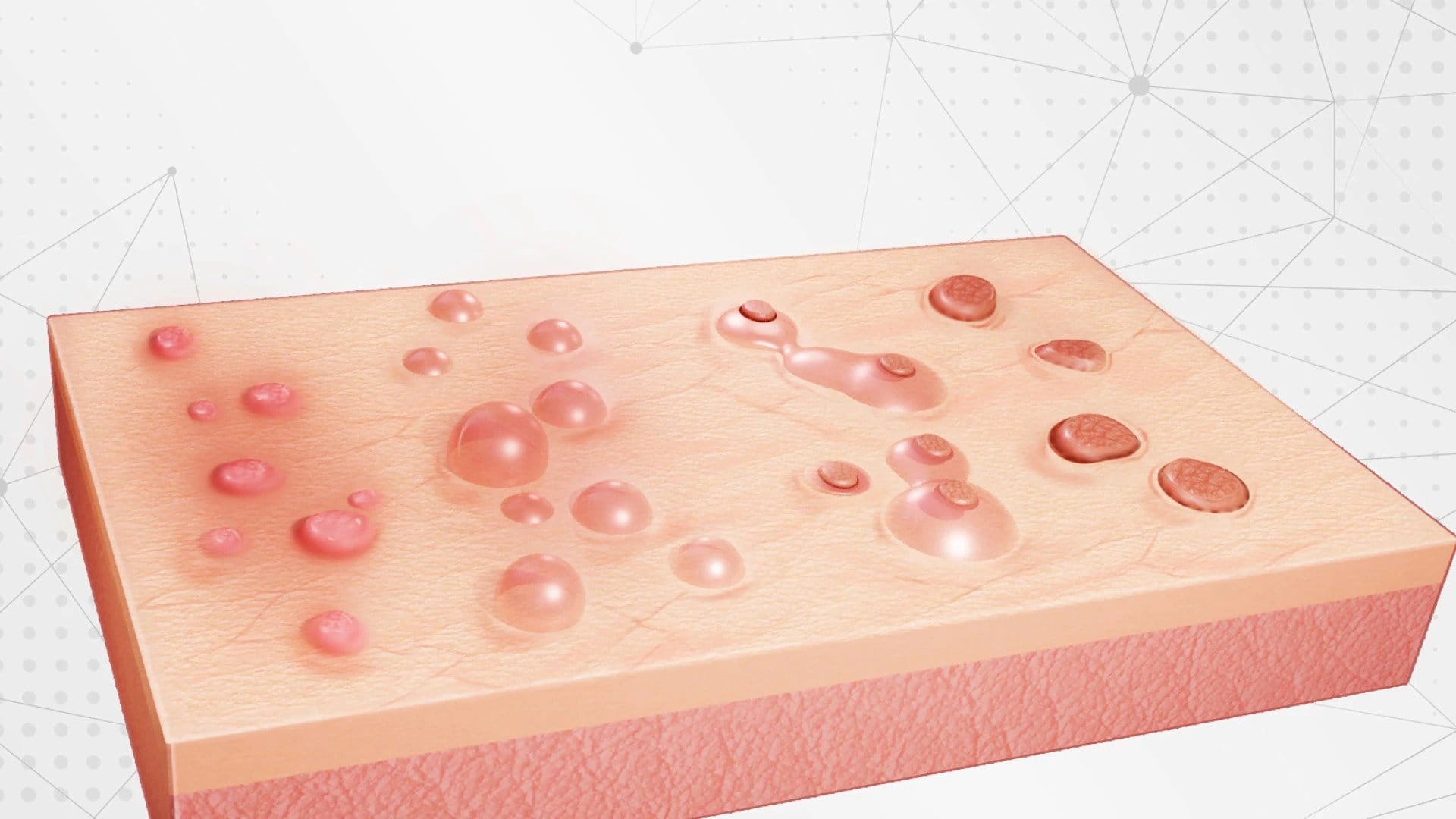
Primary (First) Outbreak: This is usually the most severe, occurring 2-20 days after exposure. Symptoms often include flu-like feelings (fever, body aches), swollen lymph nodes in the groin, and clusters of small, painful blisters or ulcers on the genitals, buttocks, or thighs. The first outbreak can last 2 to 3 weeks.
Recurrent Outbreaks: Subsequent episodes are typically shorter and less severe. They are often preceded by a "prodrome" – a tingling, itching, or burning sensation at the site where blisters will appear. Common triggers in Hong Kong's fast-paced lifestyle include stress, fatigue, illness, or a weakened immune system.
Asymptomatic Shedding: A key factor in transmission is "asymptomatic viral shedding," where the virus is present on the skin without any visible sores or symptoms. This makes consistent prevention strategies important.
Viral Shedding of Genital Herpes (HSV)
HSV was isolated from the genital mucosa in 38 of the 53 HSV-2–seropositive subjects (72%) who reported no history of genital herpes, and HSV DNA was detected by the polymerase-chain-reaction assay in cultures prepared from genital mucosal swabs in 6 additional subjects. The rate of subclinical shedding of HSV in the subjects with no reported history of genital herpes was similar to that in the subjects with such a history3.
(REF: Looker, K. J., Garnett, G. P., & Schmid, G. P. (2008). An estimate of the global prevalence and incidence of herpes simplex virus type 2 infection. Bulletin of the World Health Organization, 86, 805-812A. )
(REF: Xu F, Sternberg MR, Kottiri BJ, et al. Trends in herpes simplex virus type 1 and type 2 seroprevalence in the United States. JAMA, 2006. 296(8): 964–73.)
(REF3: Reactivation of Genital Herpes Simplex Virus Type 2 Infection in Asymptomatic Seropositive Persons)
11/F, 168 Queen’s Road Central, Central
(7 min from Central MTR Exit D2 /
2 min from Sheung Wan MTR Exit E2)
Hourly Parking Nearby : The Center, Grand Millennium Plaza
+852 3708 1878
+852 9221 2346 (Text Only)
[email protected]
Mon-Fri : 9:45a.m. – 1:45p.m. ;
3:00p.m. – 6:10p.m.
Sat : 9:45a.m. – 1:15p.m.
Sun and Public Holiday: Close
By Appointment Only