Treatment of Chlamydia : A Complete and Curable Path
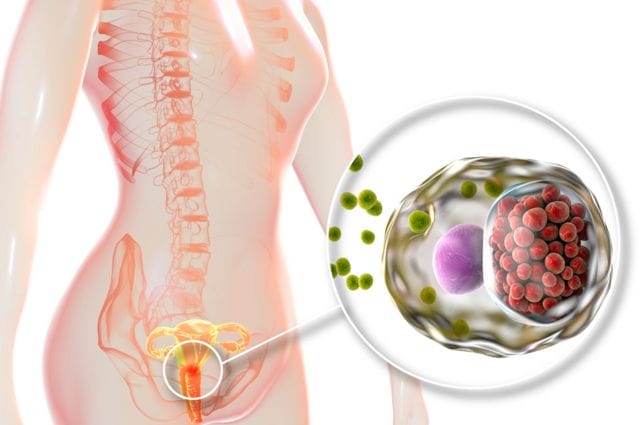
Chlamydia is one of the most common sexually transmitted infections (STIs) in Hong Kong, but fortunately, it is also completely curable with the right antibiotic treatment. Caused by the bacterium Chlamydia trachomatis, it is often symptomless, making treatment after a positive test crucial to prevent serious long-term health complications like pelvic inflammatory disease (PID) and infertility.
The Foundation: Antibiotics as the Cure
The treatment for uncomplicated genital chlamydia is straightforward: a prescribed course of antibiotics. The goal is to eliminate the bacterial infection from your body, relieve any symptoms, and prevent transmission to others.
Global and local health authorities, including the Hong Kong Department of Health and the Centre for Health Protection (CHP), endorse several effective antibiotic regimens. The choice between them is typically made by a healthcare professional based on individual patient factors, such as allergy history, pregnancy status, and likelihood of completing the course.
The following table outlines the two most common first-line treatment options:
| Antibiotic Regimen | Dosage | Key Advantages | Important Considerations |
|---|---|---|---|
| Azithromycin | A single, 1-gram oral dose taken all at once. | - High adherence due to single-dose therapy. - Directly observed therapy is possible. - Effective and widely used. | May cause more gastrointestinal side effects (nausea) in some individuals. |
| Doxycycline | 100mg taken orally twice daily for 7 days. | - Historically slightly higher efficacy in some studies. - Lower cost. | Requires consistent adherence over a week. - Can cause sun sensitivity. - Not for use in pregnant women. |
Alternative antibiotics, such as levofloxacin or erythromycin, are available for patients who cannot take the first-line options, often due to allergies or pregnancy (in the case of doxycycline).
The Essential Steps of Treatment in Hong Kong
Successful treatment involves more than just taking pills. It is a process designed to ensure the infection is fully cleared and not passed on.
- Confirmatory Diagnosis Before Treatment: Treatment should always follow a confirmed positive test result. The gold standard test is a Nucleic Acid Amplification Test (NAAT) performed on a urine sample or genital swab. In Hong Kong, you can get tested at private GP clinics, specialist sexual health clinics, or the government's Social Hygiene Clinics.
- Obtaining and Completing the Prescription: A doctor will prescribe the appropriate antibiotic. It is absolutely critical to complete the entire course of medication exactly as directed, even if symptoms disappear quickly. Stopping early can lead to treatment failure and antibiotic resistance.
- Abstaining from Sexual Contact: You must avoid all vaginal, anal, and oral sexual contact until both you and your partner(s) have completed treatment. For single-dose azithromycin, this is typically at least 7 days after treatment. This prevents reinfection and further spread.
- Partner Notification and Treatment: This is a legal requirement and a cornerstone of public health in Hong Kong. If you test positive, you are obligated to inform your recent sexual partner(s) so they can be tested and treated. Clinics can provide anonymous notification slips to assist with this difficult conversation. Treating partners simultaneously is the only way to break the cycle of transmission.
- Follow-up and Test-of-Cure: A "test-of-cure" is not always routinely recommended for uncomplicated cases treated with first-line drugs. However, a repeat chlamydia test is strongly advised in 3-6 months to check for reinfection, which is very common. This is particularly important for sexually active individuals under 25 in Hong Kong.
Special Considerations for Hong Kong Patients
- Pregnancy: Chlamydia can cause complications in pregnancy and be passed to the baby during birth, causing conjunctivitis or pneumonia. Pregnant women are screened for chlamydia and, if positive, are treated with antibiotics safe for pregnancy, such as azithromycin or amoxicillin. Doxycycline is contraindicated.
- Co-infections: It is common to have more than one STI. Gonorrhea, in particular, is often tested for simultaneously with chlamydia. Your doctor will prescribe treatment that covers all identified infections.
- Asymptomatic Infection: The majority of chlamydia cases show no symptoms. Do not wait for symptoms to seek testing or treatment if you believe you have been exposed. The Social Hygiene Clinics provide confidential and affordable screening services.
What Happens If Chlamydia Goes Untreated?
Failing to get treated can lead to severe and costly health consequences:
- In Women: The infection can spread to the uterus and fallopian tubes, causing Pelvic Inflammatory Disease (PID), which can lead to chronic pelvic pain, ectopic pregnancy, and infertility.
- In Men: It can cause painful infection of the epididymis (epididymitis), which in rare cases can affect fertility.
- In All Genders: It can facilitate the transmission of HIV and cause reactive arthritis.
Conclusion: A Straightforward Path to Health
Chlamydia is a common infection, but in Hong Kong, it is also a completely manageable one. The treatment protocol is simple, highly effective, and accessible through multiple healthcare channels. The real keys to success are prompt testing after potential exposure, complete adherence to prescribed antibiotics, ensuring all partners are treated, and returning for follow-up screening. By taking these responsible steps, you protect not only your own long-term reproductive health but also contribute to the public health of the Hong Kong community.
11/F, 168 Queen’s Road Central, Central
(7 min from Central MTR Exit D2 /
2 min from Sheung Wan MTR Exit E2)
Hourly Parking Nearby : The Center, Grand Millennium Plaza
+852 3708 1878
+852 9221 2346 (Text Only)
[email protected]
Mon-Fri : 9:45a.m. – 1:45p.m. ;
3:00p.m. – 6:10p.m.
Sat : 9:45a.m. – 1:15p.m.
Sun and Public Holiday: Close
By Appointment Only