Chlamydia Tests Hong Kong | NAAT Testing

Chlamydia Tests

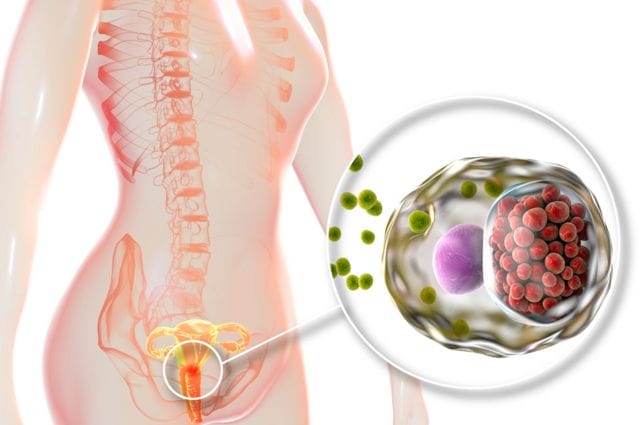
Chlamydia is the most common bacterial sexually transmitted infection (STI) in Hong Kong and globally, yet a majority of infections show no symptoms. Left untreated, it can lead to serious long-term health complications, including pelvic inflammatory disease and infertility in women, and epididymitis in men.

Why Testing is Crucial: The Silent Spread in Hong Kong

Chlamydia is often called a "silent" infection. According to data from Hong Kong clinics, approximately 50% of infected men and 70% of infected women experience no obvious symptoms. This allows the infection to spread unknowingly and cause internal damage over time.

The situation in Hong Kong has specific characteristics. A 2022 modelling study published in Frontiers in Public Health noted that while the overall reported prevalence of chlamydia in Hong Kong is around 1.4%, there is a "unique U-shape disease burden" with higher prevalence among both sexually active young women (18-26 years) and older women (40-49 years). Furthermore, reports indicate steady rises in STI cases in the city in recent years. Regular testing is the only reliable way to detect and stop this silent spread.

Who Should Get Tested and How Often?

Given the high rate of asymptomatic infection, testing should be based on sexual activity and risk, not just the presence of symptoms. Sexual health experts recommend testing for the following groups in Hong Kong:

  • Sexually active individuals under 25 years old (this group has the highest incidence rates).
  • Anyone with a new sexual partner or multiple partners.
  • Men who have sex with men (MSM).
  • Pregnant women, as chlamydia can be passed to the baby during childbirth.
  • Anyone experiencing potential symptoms, even if mild.

The frequency of testing depends on your risk level. The following table provides a general guideline:

Risk LevelWho It Applies ToRecommended Testing Frequency
High RiskIndividuals with multiple or anonymous partners; MSM.Every 3 to 6 months, or with every new partner.
Moderate RiskSexually active individuals under 25; anyone with a new partner.At least once a year, or with every new partner.
Lower RiskPeople in a mutually monogamous, long-term relationship where both partners tested negative at the start.Before starting the relationship; further testing based on risk.

The Gold Standard: NAAT Testing Explained

The only recommended test for diagnosing genital chlamydia is the Nucleic Acid Amplification Test (NAAT). This advanced technology detects the genetic material (DNA) of the Chlamydia trachomatis bacterium and is prized for its high accuracy, sensitivity, and specificity.

NAATs can be performed on a variety of sample types, making testing accessible and often non-invasive. Common sample types include:

  • First-catch urine sample: This is the simplest and most common method, especially for men. The patient provides the first part of their urine stream, which washes bacteria from the urethra.
  • Vaginal swab: This can be collected by a clinician or as a highly reliable self-collected sample in a clinic setting.
  • Endocervical swab (for women): Collected by a clinician during a pelvic examination.
  • Urethral swab (for men): Collected by a clinician by inserting a thin swab into the urethra.

What to Expect: The Testing Process in Hong Kong

Getting a chlamydia test in Hong Kong is designed to be private, quick, and straightforward. Private clinics and sexual health services emphasize discretion and efficiency.

  1. Booking & Consultation: You can book an appointment online or by phone. Many clinics offer next-day appointments. A healthcare professional will discuss your sexual history and reasons for testing in a confidential, non-judgmental setting.
  2. Sample Collection: The actual sample collection is very fast. A urine sample is provided in a private washroom, or a swab is taken. The process typically takes 10-15 minutes.
  3. Lab Analysis & Results: Your sample is sent to a laboratory for NAAT analysis. Turnaround times in Hong Kong can be very fast, with some clinics offering express results in 8-24 hours, while standard results take 1-3 working days.
  4. Receiving Results & Follow-up: Results are communicated securely, often via a patient portal or a direct phone call from a clinician. All services are completely confidential.

Understanding Your Results and Treatment

  • Negative Result: A negative NAAT result is highly accurate. However, it's important to consider the "window period"—the time between potential exposure and when a test can reliably detect the infection. For chlamydia, it is advisable to wait at least 7 days after exposure before testing.
  • Positive Result: A positive result means you have a chlamydia infection. The crucial next step is prompt treatment. Chlamydia is curable with a simple course of antibiotics, such as azithromycin or doxycycline. It is absolutely essential to:
  • Complete the entire course of medication as prescribed.
  • Inform your recent sexual partner(s) so they can also get tested and treated to prevent reinfection and further spread. This process, known as partner notification or contact tracing, is a cornerstone of STI control.
  • Avoid all sexual contact until both you and your partner have completed treatment.
  • Return for a test-of-cure or retesting in 3 months, as reinfection is common.
ItemPriceWindow PeriodSampleTurnaround Time
Standard Urine STI Screening
(7 Items)
$1,6507 daysUrine/Semen/Swab8-24 hours
Chlamydia trachomatis DNA Screening$6907 daysUrine/Semen/Swab8-24 hours
CONTACT US

LOCATION

Contact Methods

(Text Only)

OPENING HOURS